
For small businesses, the hard part isn’t finding private label suppliers. There are thousands of them on wholesale websites. The hard part is finding one that’s actually willing to work with your budget, order size, and customization needs.
When your order is small, you don’t have much bargaining power. MOQs feel too high, custom prices go up fast, replies can get slower, and bigger customers often get priority when factories are busy.
And honestly, it makes sense from the factory’s side too. Small custom orders still mean lots of back-and-forth, samples, changes, and little details, but there isn’t much money in them. So many factories would rather spend their time on bigger buyers.
That doesn’t mean the right supplier isn’t out there. It just means you’ll usually need more time to search, talk, compare, and go through a bit of back-and-forth before you find one that’s really willing to work with you.
What small-order private labeling really looks like?
Customizing packaging and adding a logo
Most small businesses start private labeling with an existing product. The product MOQ itself is often manageable. The real trouble usually starts when you ask for custom packaging or a logo.
Custom packaging may need to be made by a separate packaging supplier, which means extra communication, artwork, samples, and repacking. For a small order, some factories simply don’t want to spend that much time coordinating it.
Logo customization can be tricky too. The MOQ and cost depend on the printing method, material, number of colors, and where the logo goes. A simple sticker may be easy, while screen printing, embroidery, or a custom box can quickly push the MOQ and cost up.
This is where many small buyers get stuck: the product itself is affordable, but the branding around it isn’t always as small-order-friendly.
- Struggling with custom packaging or logo requirements?
We can help you work around high MOQs by coordinating the right product and packaging suppliers, then bring everything together at our warehouse for final repacking.
Changing color and material
Changing the color or material is another common way to make an existing product feel more like your own. It works best with relatively simple products like socks, cushions, tote bags, mugs, and other everyday items.
Using colors and materials the factory already works with is usually easiest. A custom option may require materials from another supplier, which brings its own MOQ. For example, textiles may have minimum fabric or dyeing quantities, while plastic products may require a minimum batch for a custom color. You’ll also usually need a physical sample, since the final color can look different from a screen or color chart.
For more complex products, especially electronics, changing materials can affect the structure, performance, tooling, or testing. At that point, it’s often more than a simple private label change.
Creating product bundles
Bundling existing products is a relatively low-cost way to make your offer feel different without developing something new from scratch. We’ve helped clients create kitchen utensil sets, cleaning kits, garden sets, toy bundles, and more.
If all the items come from one supplier, it’s usually straightforward. But once different factories are involved, there’s much more to manage — supplier coordination, production schedules, quality checks, pricing, and custom packaging.
The products also need to come together somewhere. We usually consolidate them at our warehouse, inspect each item, and repack everything into the final set.
For buyers, a bundle may look like an easy way to differentiate a product. On the supply-chain side, though, we still have to make sure the quality stays consistent, the total cost makes sense, and the packaging brings everything together properly.
Thinking about creating your own product bundle? Just bring it to us.
Thinking about creating your own product bundle?
How old hands make private label projects work?
There’s no shortcut to finding the right private label supplier. Different products come with different challenges, and sometimes finding the right factory simply takes a bit of luck.
Most successful buyers we’ve worked with didn’t find the perfect supplier on their first try. They talked to more factories, compared options, ordered samples, and tested small orders. That’s usually when you find out who can really make the product the way you want — and who is actually willing to work with you when something needs changing.
At the beginning, the lowest price shouldn’t be your first priority. Make sure the supplier can meet your requirements and work through problems with you first. You can negotiate price later as your orders grow.
Finding the right supplier is really a process of trial and error. You try, adjust, and sometimes move on. Over time, that’s how most small businesses find a private label partner they can grow with.
- Want an easier way to do private label?
If you’d rather not go through all that, just tell us your budget, product and custom requirements. We’ll handle the rest, including customization, production, QC, packaging, and shipping. You just wait for the finished products to arrive.
Real private label projects we’ve handled for small businesses
Many small businesses have a limited budget, so they may wonder if private labeling is really doable. And yes, we hear this a lot. But we’ve helped them turn their ideas into real products. A few stories from our clients might show you what’s actually possible.
Our client Daniel came to us with a simple idea: he wanted to start his own underwear brand, but his total budget was under $3,000. He wasn’t sure if he could make it work. We found him a factory partner in Dongyang with nearly 2,000 styles, from briefs and boxers to high-waist shapewear.
Given his budget, we figured the best move was to pick from the existing styles and add his logo. That kept the MOQ at just 1,000 pieces, with a factory price of around $1.2–1.8 per piece. The numbers worked, so he went ahead with the order.
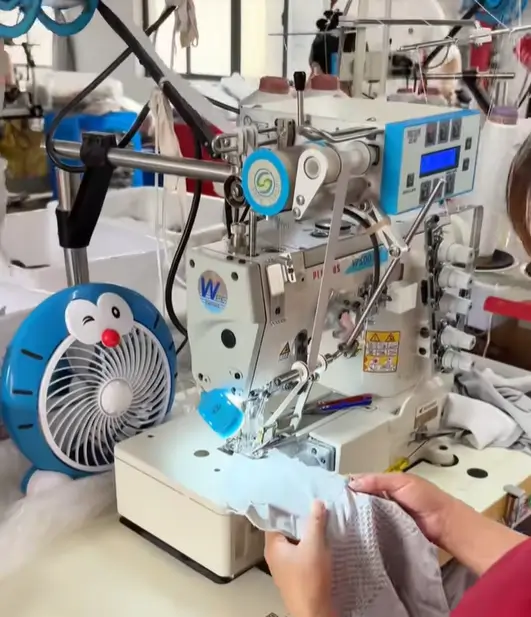
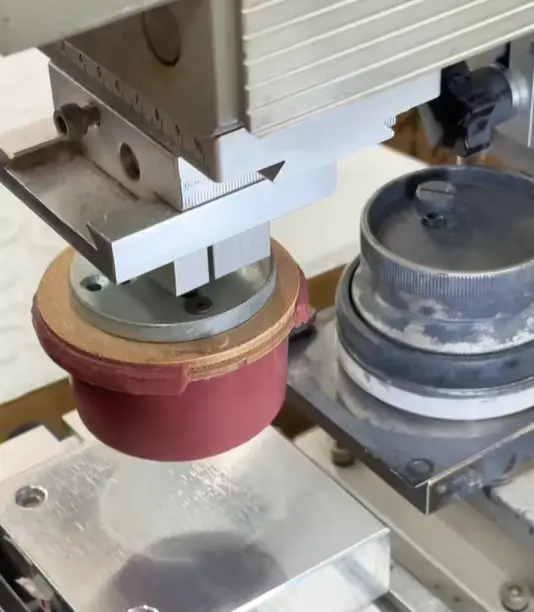
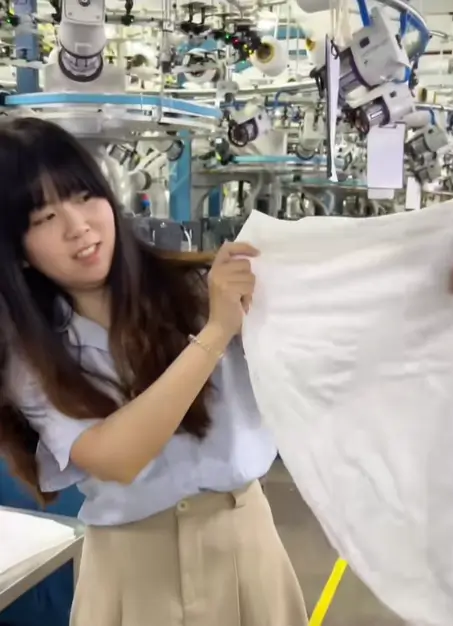
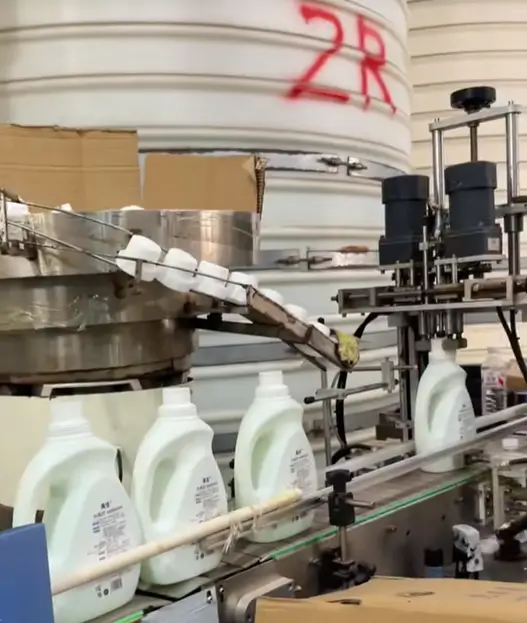
Mark, a young guy from the US, saw a fragranced laundry detergent selling for around $20 on Amazon. He saw an opportunity and asked us how much it would cost to make in China. We found a factory in Lishui with mature formulas. They told us most detergents use a similar base, with the main differences being fragrance and fabric care. So they could formulate the product Mark wanted for only $0.60 a bottle, starting from just 1,000. At that price, he felt it was worth trying.
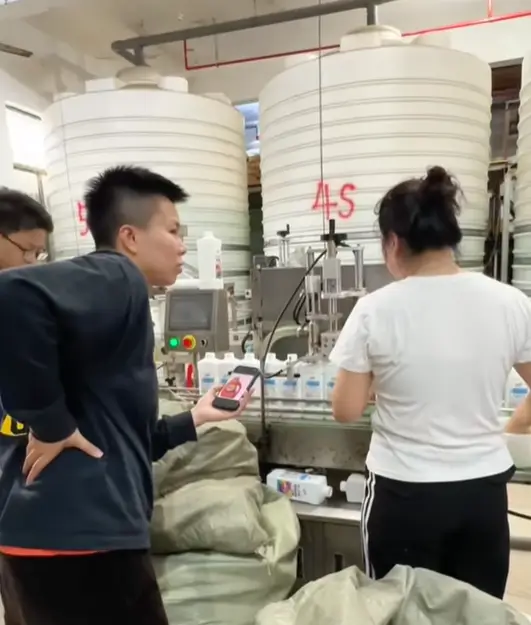
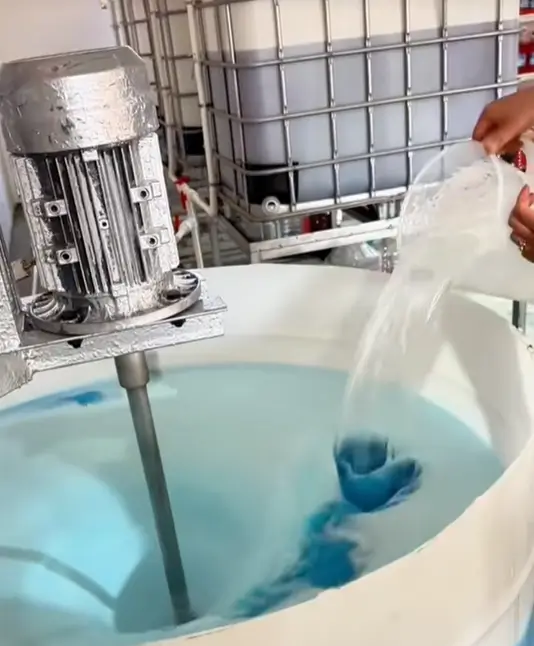
Another US client wanted to open a shoe cleaning shop because the business was popular in his area. He checked with local suppliers, but the prices were high, and for a new shop, that was a lot to put in upfront. So he came to us to source the equipment from China. We found a factory in Ningbo and got him a shoe washing machine and a shoe dryer. Both cost less than $1,500. Suddenly, opening the shop didn’t seem so out of reach anymore.
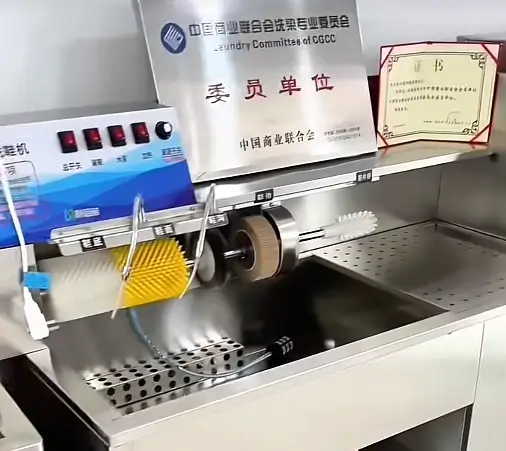
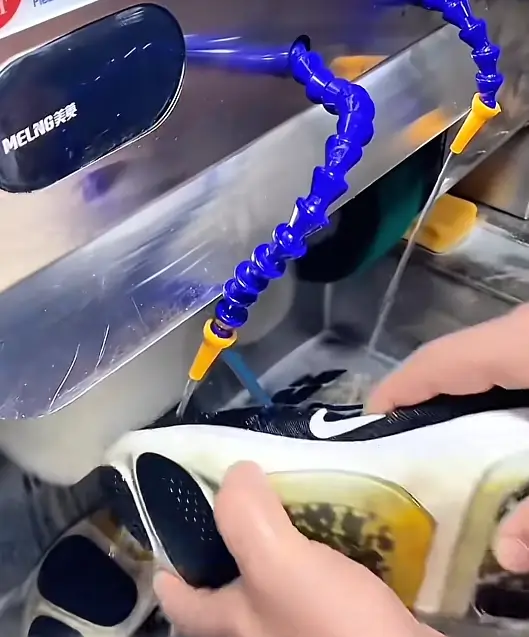
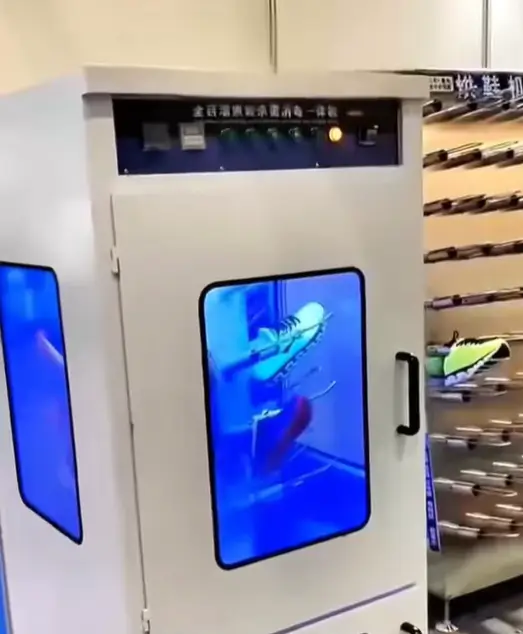
As you can see, we’ve actually helped many small businesses with limited budgets make private labeling work. Different products, different budgets, but the same goal: turning an idea into something real. They did it, and you can too. So if you have an idea, come talk to us.
Well written, clear and straight to the point. Thank you guys for this much helpful article.
A very good and detailed blog content. Learned a lot about how to find label manufacturers. Thank you for sharing!!
Thanks for your support, If you need any help, please contact us. And we will write more helpful posts, please pay close attention to our new post, thank you.
This is really nice post, I found and love this content. I will prefer this, thanks for sharing.
Thanks for your comment, Liam.